
Mills County Criminal History Checks
Start by deciding what the answer must prove. A recent custody question belongs with the Mills County Sheriff. A question about filed charges, dismissal, judgment, or sentence belongs with the clerk for the court that heard the matter. The Texas Department of Public Safety is the broader source for public conviction and deferred-adjudication information reported across Texas. Each product has a different cutoff. Searching all three without knowing those limits can create contradictions that are only apparent.
Gather the full legal name, any prior names, date of birth, likely event date, and court or booking number. Then use the narrowest official source first. Exact identifiers reduce namesake errors and help staff locate paper or electronic records in this small rural county.
- Check the sheriff for a current booking or request the originating incident record.
- Search the proper court level for the charge the prosecutor actually filed.
- Compare the case number, date, statute, and disposition across the results.
- Use DPS when the search must reach beyond Mills County across Texas.
- Order a clerk-certified copy or fingerprint review when identity or accuracy matters.
Note: A missing online result may reflect limited portal coverage, spelling, timing, or restricted access rather than the absence of a record.
Mills County Records Buildings
Mills County record searches turn on one local distinction. The courthouse at 1011 4th Street in Goldthwaite holds the District Clerk, County Clerk, Justice of the Peace, and other county offices. The sheriff and jail are at 2111 Priddy Road. An arrest report does not move to the courthouse merely because the case later appears there. Likewise, jail staff are not the custodians of a court judgment.
The official Mills County homepage shows the courthouse that serves as the county records hub.

The image helps identify the county source, but the office name still controls. Felony pleadings go to the District Clerk. County-level misdemeanor files ordinarily go to the County Clerk, and justice matters stay with the Justice Court.
District and County Clerk
1011 4th Street
Goldthwaite, TX 76844
325-648-2711
Monday to Thursday, 8:00 a.m. to 5:00 p.m.; Friday, 8:00 a.m. to 4:00 p.m.
Sheriff Records Division
2111 Priddy Road
Goldthwaite, TX 76844
325-648-2245
Monday to Friday, 8:00 a.m. to 5:00 p.m.
Official Background Checks in Texas
The Texas DPS Crime Records Division maintains the central Computerized Criminal History repository. Its public name product exposes conviction and deferred-adjudication information that Texas law permits DPS to release. It is broader than a Mills County court search, yet narrower than a complete fingerprint-linked record. A name can also match the wrong person. Preview likely matches and compare the available birth and identity details before opening a record.
The Texas DPS conviction search entry requires a registered account and prepaid credits.
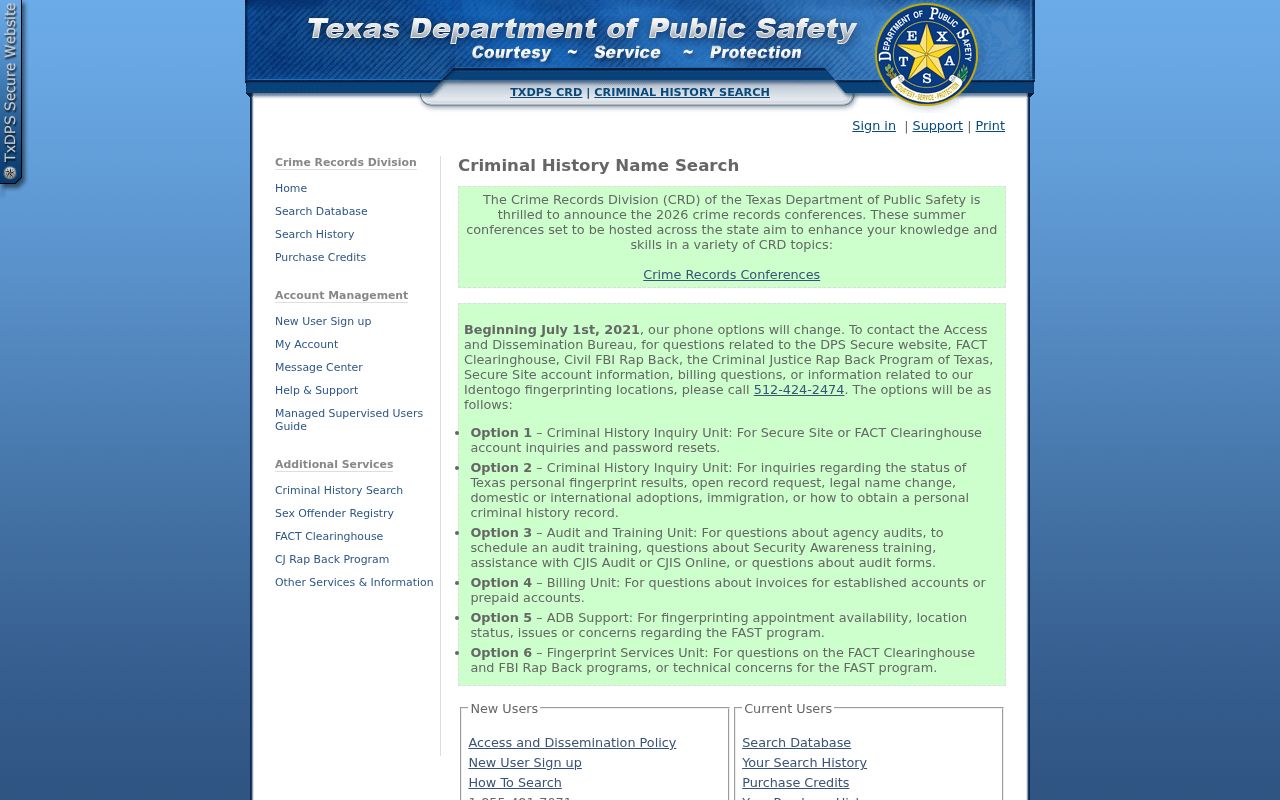
This official screen is the statewide starting point. It should be reconciled with a Mills County court file when a final outcome is unclear.
| Official product | Published base cost | Best use |
|---|---|---|
| DPS online credit | $1 plus stated transaction charges | Public Texas conviction search |
| Offline DPS name check | $10 | Official name-based request route |
| DPS fingerprint check | $15 | Identity-linked personal review |
| Ordinary FAST capture | $10 | Electronic fingerprint collection |
| Two hard cards through FAST | $20 | Paper fingerprint submission needs |
Program service codes can change the total. DPS also adds a 2.25 percent fee per online credit and a $0.25 credit-card transaction fee under its current published instructions.
Mills County DPS Search Fields
DPS describes the fields used after account sign-in. Last name is the core name key. First name and exact date of birth make a match more useful, while sex and race may appear as coded identity filters. Those descriptors identify a candidate; they do not prove the result belongs to the person being reviewed. The portal can alter its live order, so follow the current labels on screen.
The DPS criminal-history help page explains previews, credits, and the public data scope.

The preview step matters in Mills County because opening a full match uses credits and a similar name can lead to the wrong record.
| Field | Role | Practical check |
|---|---|---|
| Last name | Primary search key | Try documented prior spellings |
| First name | Narrows candidates | Use the full legal name |
| Date of birth | Strong identifier | Match the exact date when known |
| Sex and race | Coded filters | Treat only as identity clues |
| Preview | Candidate review | Inspect before opening a record |
Kinds of Criminal Records
Mills County agencies create separate records at separate stages. An incident report describes an event and investigation, even when nobody is arrested. An arrest record documents custody and the alleged basis. The jail then creates a booking entry. Prosecutors decide whether to file, and the appropriate clerk preserves the resulting court case. DPS receives reportable identity and disposition data from criminal justice agencies.
Warrants, supervision, prison custody, and registry duties add more sources. No verified public Mills County warrant database covers them all. Court dockets may show issuance or recall, but the issuing court or sheriff must confirm current status. Community supervision is administered through the Brown County CSCD structure serving the district. Parole and state custody belong to TDCJ, not the county jail.
- Incident report
- The originating agency's event and investigation record.
- Booking record
- The jail's intake, charge, bond, and custody snapshot.
- Case file
- The filed charge, court events, judgment, and sentence.
- CCH entry
- The state repository cycle built from agency submissions.
- Disposition
- The court's recorded outcome for a filed charge.
Mills County Fingerprint Record Review
A person reviewing their own Texas history can use the DPS personal review procedure and FAST fingerprint capture through IdentoGO by IDEMIA. Fingerprints are more reliable than names because they tie the request to a unique identity pattern. DPS directs applicants to use the correct service code when an authorized program provides one. No permanent FAST site was verified inside Mills County, so the current scheduler should determine the nearest appointment rather than an assumed local vendor.
The FAST appointment system supplies current scheduling and location choices.
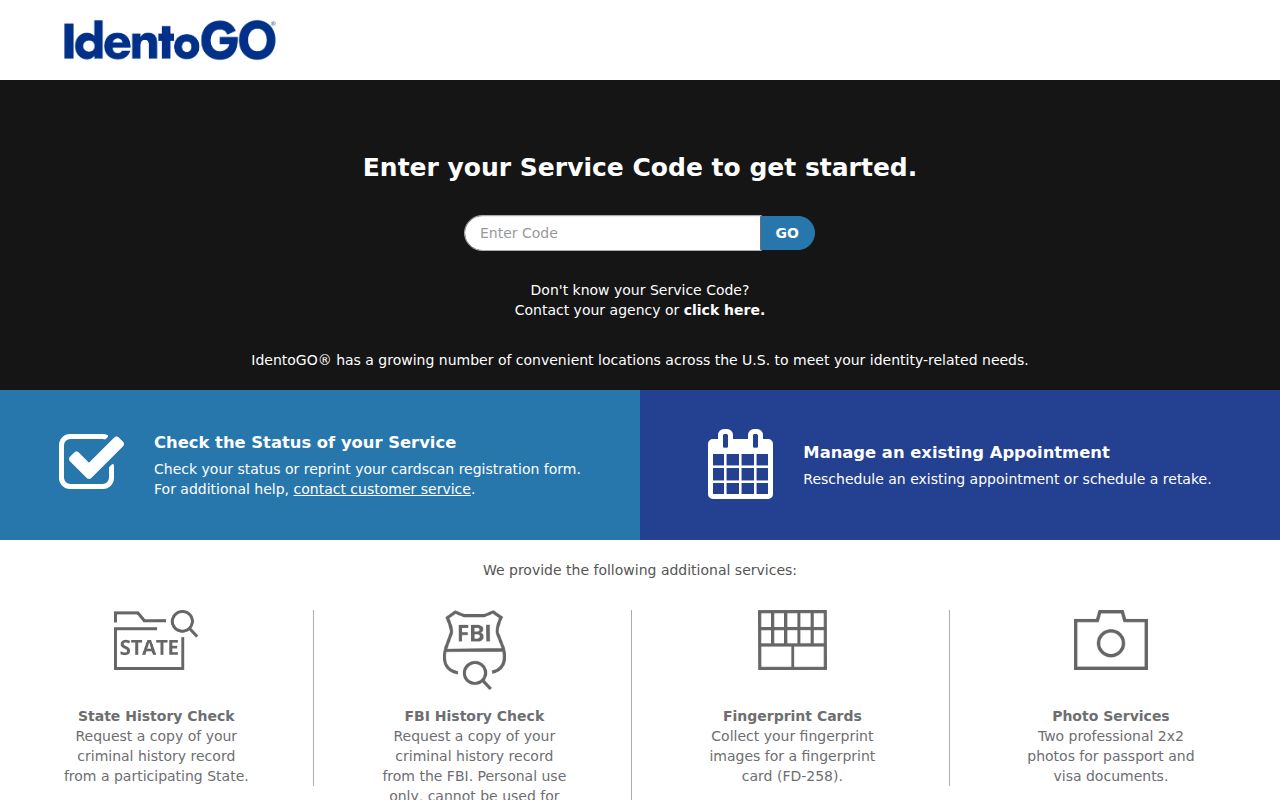
The scheduler is the source for a current site. Bring the requested service code, valid identification, and an accepted payment method.
For a personal federal identity-history summary, the FBI provides an electronic route as well. The FBI electronic order portal handles that separate fingerprint-based product.
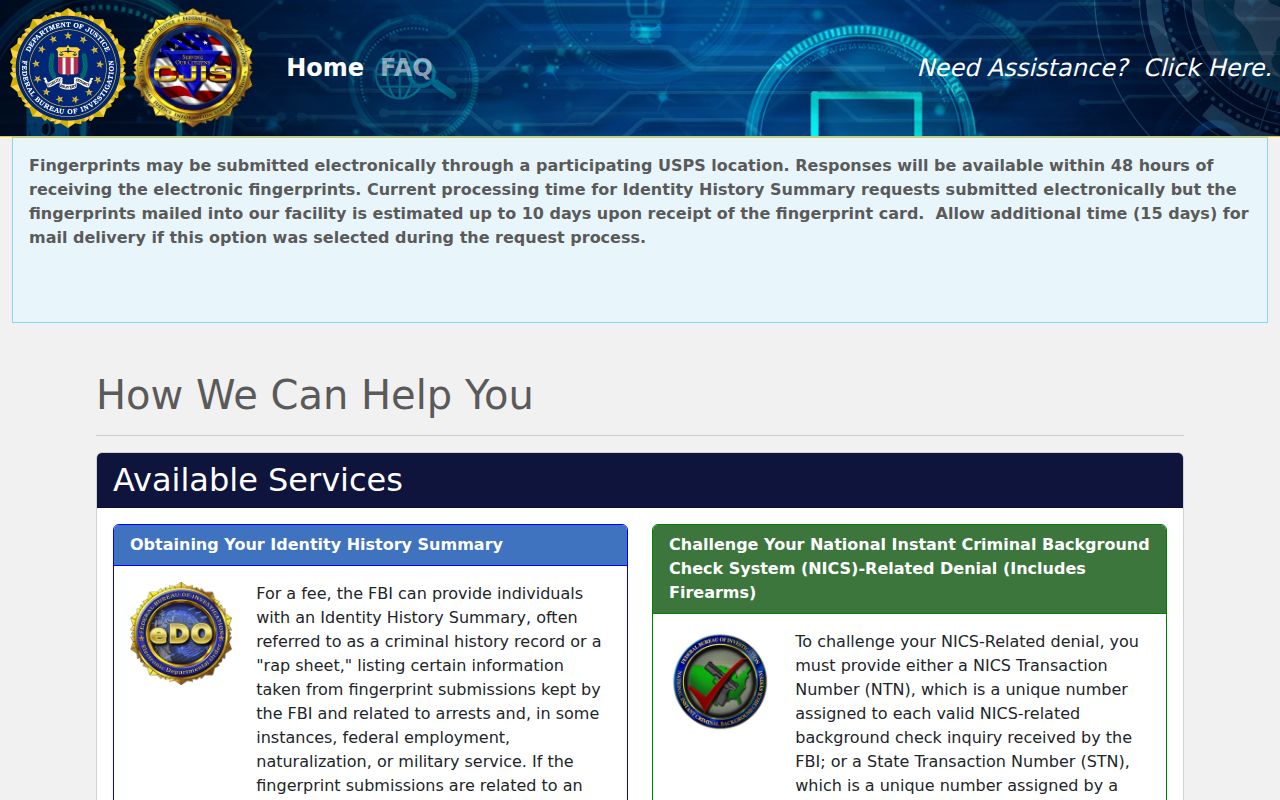
An FBI summary is not a substitute for pleadings or a judgment from a Mills County court. It answers a different identity-history question.
Mills County Criminal Records: What They Contain
A complete Texas history may connect identity details to arrest and court event cycles. It can include aliases, date of birth, state identifiers, fingerprints, arrest date, agency, charge text, tracking numbers, prosecutor action, court, case number, disposition, and sentence. The public DPS product is narrower. It generally releases convictions and deferred adjudications while confidential criminal-history data remains restricted.
| Name and identifiers | Legal name, aliases, birth date, coded descriptors, SID, and fingerprints in the full record. |
|---|---|
| Arrest and booking | Agency, arrest date, custody data, allegations, tracking number, and bond details where published. |
| Filed charge | Court, cause number, prosecutor action, offense wording, statute, class, and counts. |
| Disposition | Dismissal, plea, conviction, acquittal, or deferred-adjudication outcome as reported. |
| Sentence | Confinement, fine, community supervision, or other court-ordered terms. |
| Public limits | Restricted CHRI, juvenile material, protected identifiers, and legally cleared records may be omitted. |
One source may update before another. A certified clerk document is the best basis for correcting a missing disposition in state data.
Mills County Arrest-to-CCH Flow
The sequence begins with the arresting agency's report. If the event is fingerprint-reportable, arrest data and prints move into the Texas Criminal Justice Information System. The Mills County jail separately creates booking, bond, and custody data. A prosecutor may then change, reject, or file charges. The proper clerk records court events and later reports a disposition back to DPS.
Local flow: Arrest report → Mills County booking → prosecutor review → filed court case → judgment or dismissal → DPS disposition update.
This timing explains why a roster allegation and court charge can differ. It also explains why release from the jail does not mean dismissal. Readers can use the Mills County arrest search routes for booking and report channels, then move to the court record when the question is what happened after custody.
Note: An arrest is not proof of guilt, and a booking label may change when the prosecutor files or declines a charge.
Texas Public Access Laws
Public access does not mean every detail appears online. Texas law allows DPS to release certain conviction and deferred-adjudication data while treating other criminal-history information as confidential. The Texas Public Information Act governs requests to the sheriff and other executive agencies. Judicial records also follow court rules and clerk law, so sending a TPIA request to the sheriff will not produce a filed district-court pleading.
Key Texas laws:
Government Code Chapter 552 gives the public a general right to inspect government information, subject to exemptions and cost rules.
Government Code Chapter 411 controls DPS criminal-history confidentiality, public conviction access, and nondisclosure.
Code of Criminal Procedure Chapter 55A supplies Texas expunction procedures and eligibility routes.
Code of Criminal Procedure Chapter 62 governs sex-offender registration and public registry information.
Penal Code Chapter 12 defines ordinary Texas felony and misdemeanor punishment classes.
Basic facts can be public while narratives, victim information, juvenile material, identifiers, or active investigative details are withheld or redacted. Certification proves the document is the clerk's copy. It does not prove that every allegation in it is true.
Mills County Sheriff Report Requests
The Mills County Sheriff's Office publishes a firm access rule for incident and offense reports. Submit a written request by mail or in person. The reports page says it will not accept the request itself by phone or fax. A caller may still ask about procedure or status. The request should identify the date, location, incident type, involved party, and a booking or case number when known.
The official Mills County Clerk page shows the courthouse-side record counter that complements the sheriff request route.
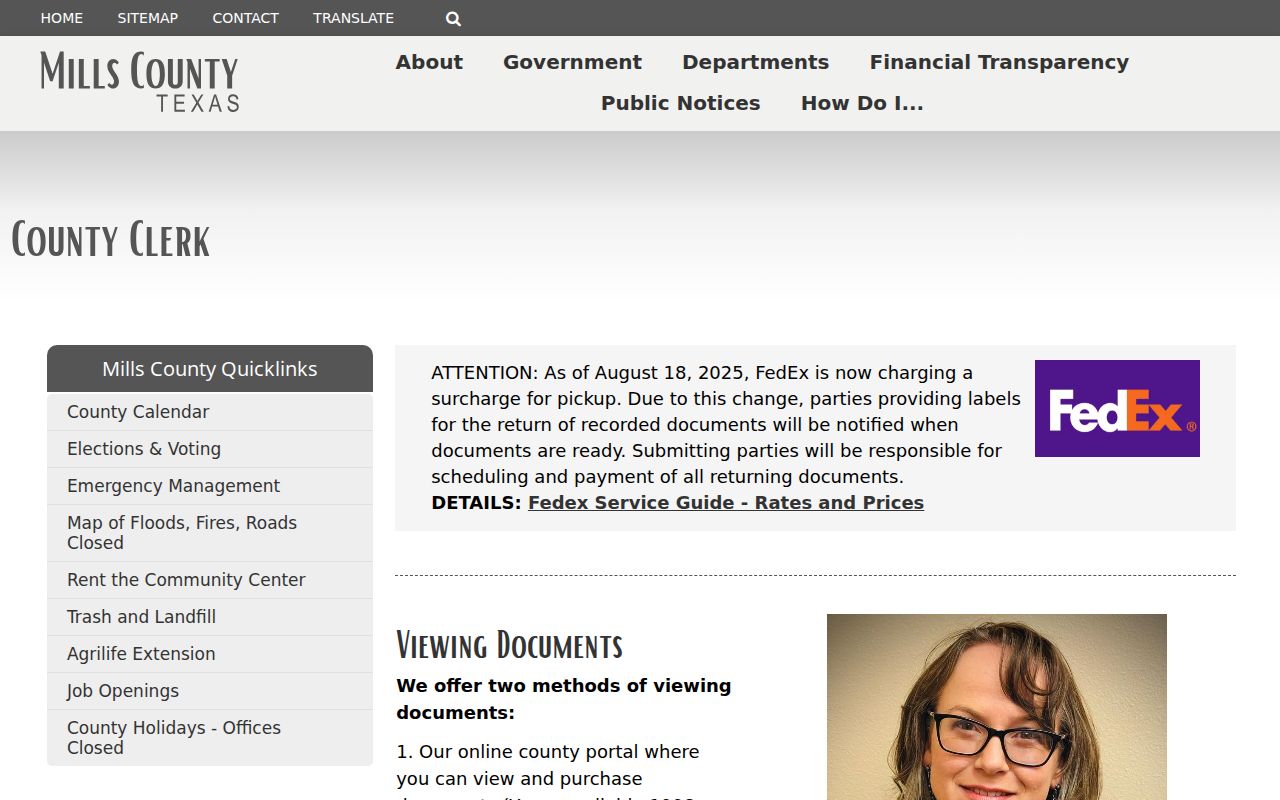
The request path is narrow on purpose. Ask for a booking sheet, arrest report, or offense report instead of demanding every record tied to a name. Mail requests go to the Records Division at P.O. Box 1497, Goldthwaite, Texas 76844, with a self-addressed stamped envelope. No flat copy fee is posted, so request an estimate rather than assuming a per-page price.
Crash reports take another route. The TxDOT crash-record channel provides the state purchase and request options.

That state system is the correct source for the crash copy, while a related criminal charge or incident narrative may still require the sheriff or court.
Restricted, Sealed & Expunged Records
Texas expunction and nondisclosure are different remedies. An expunction under Chapter 55A generally directs covered arrest records to be destroyed or deleted and permits denial of the event in most settings, subject to the law's exceptions. Eligibility depends on the route, such as an acquittal, pardon, identity theft, or a qualifying dismissal or no-charge event. A dismissal by itself does not automatically erase Mills County booking and DPS entries.
An order of nondisclosure restricts public release of specified criminal-history information but does not destroy it. Criminal justice agencies and other entities named by statute may retain access. Juvenile sealing follows a separate Family Code process. A Mills County applicant should obtain the final disposition from the right clerk, use current Texas court forms where available, identify every agency holding the record, and confirm that the signed order reached them. The current local expunction filing fee was not found in an official criminal fee schedule.
When a cleared or corrected record still appears, start with the originating clerk or agency. Preserve a certified disposition and the signed order before using the DPS correction process.
Mills County Warrant Record Fallbacks
No complete public Mills County warrant-search portal was verified. A docket may show that a capias or warrant was issued, recalled, or executed, but an old entry is not live-status confirmation. For a possible personal warrant, contact the issuing court or counsel about appearance, bond, recall, or scheduling. The sheriff can provide safe procedure. Do not confront or attempt to detain another person.
The Mills County Justice Court page gives the lower-court counter and citation channel.
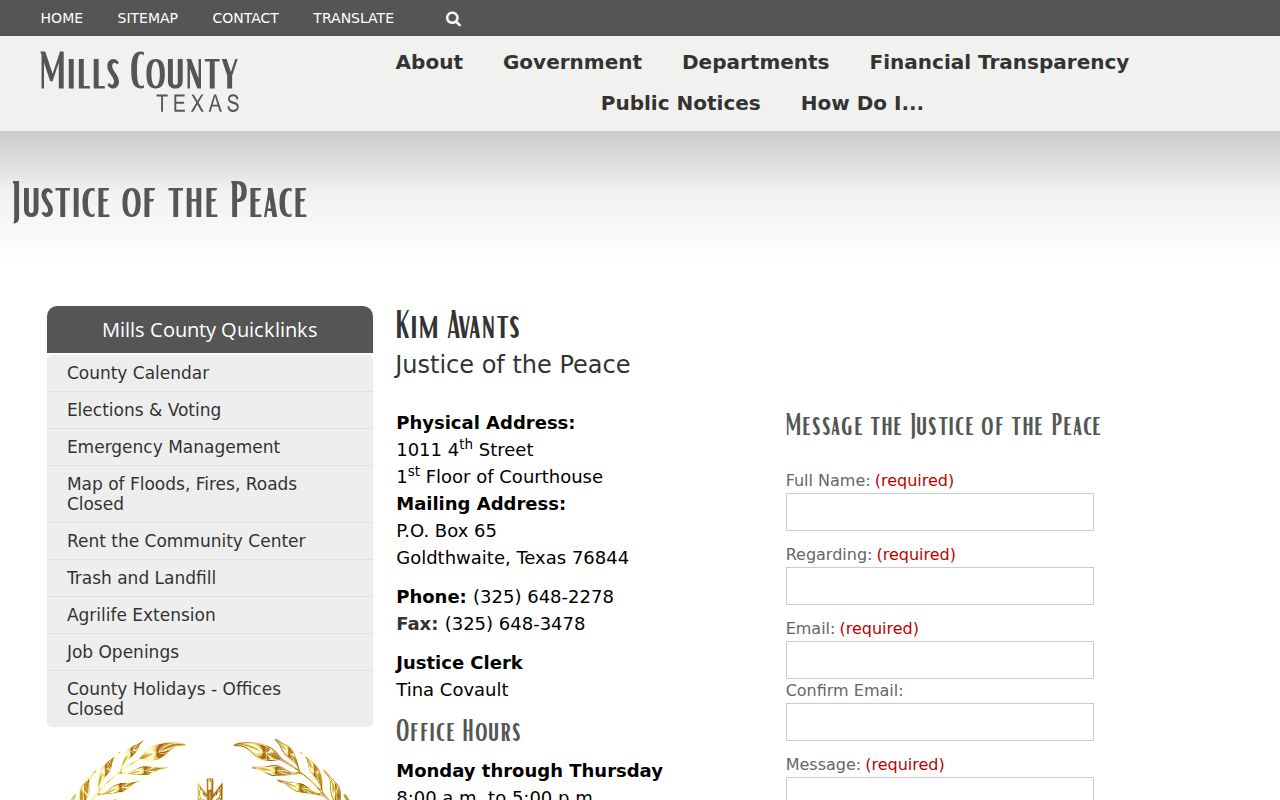
Justice Court handles fine-only matters within its jurisdiction and magistrate functions. It is not the custodian of a district felony file. The sheriff's Most Wanted page is also a static safety list, not a complete warrant index. Its interface lacks key court and status fields, so any entry requires direct confirmation.
Mills County Custody Records and Supervision
The sheriff's roster concerns Mills County jail custody. A person transferred to state prison leaves that county setting and must be checked through TDCJ Inmate Information Search. Community supervision, often called probation, is a court order managed locally through the Brown County CSCD structure that serves the 35th Judicial District. A court docket can show the order and later motions, but it is not a live compliance monitor.
Parole is different. The Texas Board of Pardons and Paroles makes parole decisions, while the TDCJ Parole Division provides field supervision. Mills County is assigned to the Brownwood District Parole Office. The Texas parole board source explains the decision structure.
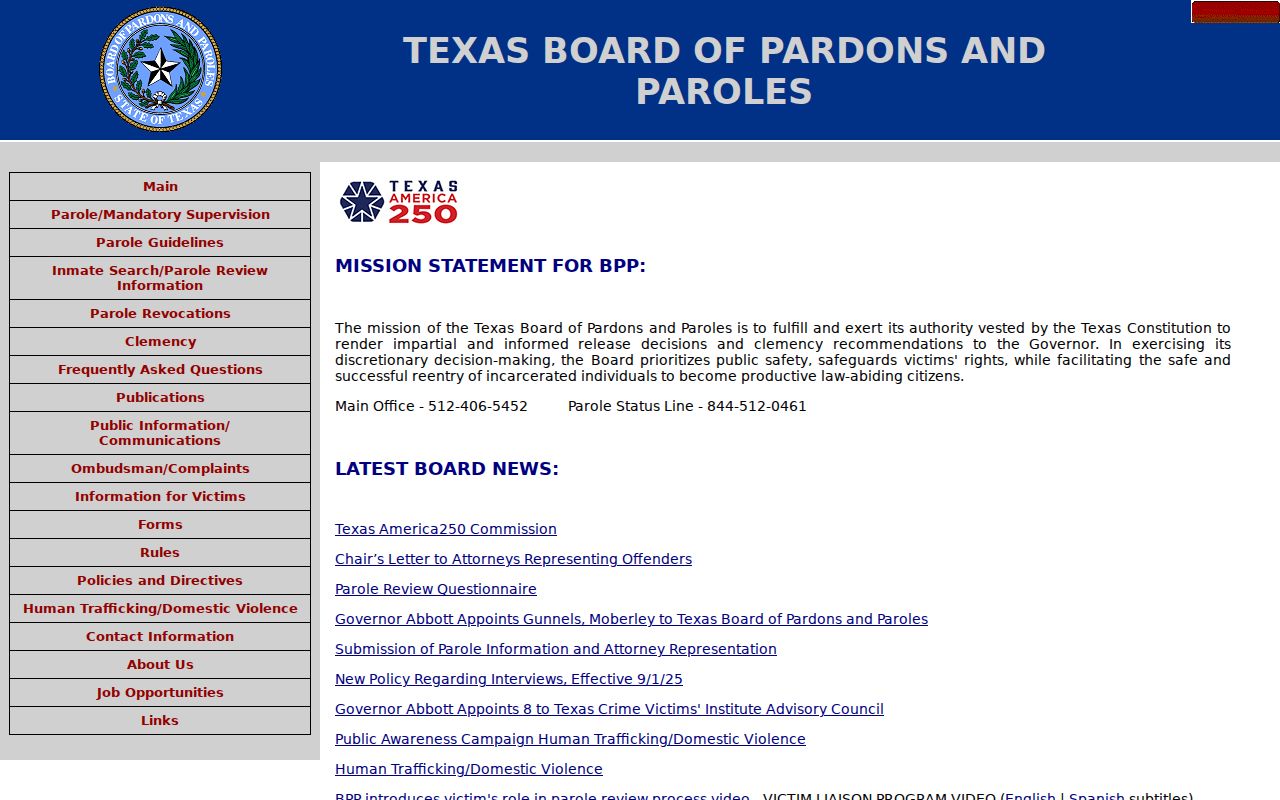
The board record is not the same as a Mills County criminal judgment or a county booking.
The TDCJ Parole Division source identifies field-supervision channels.
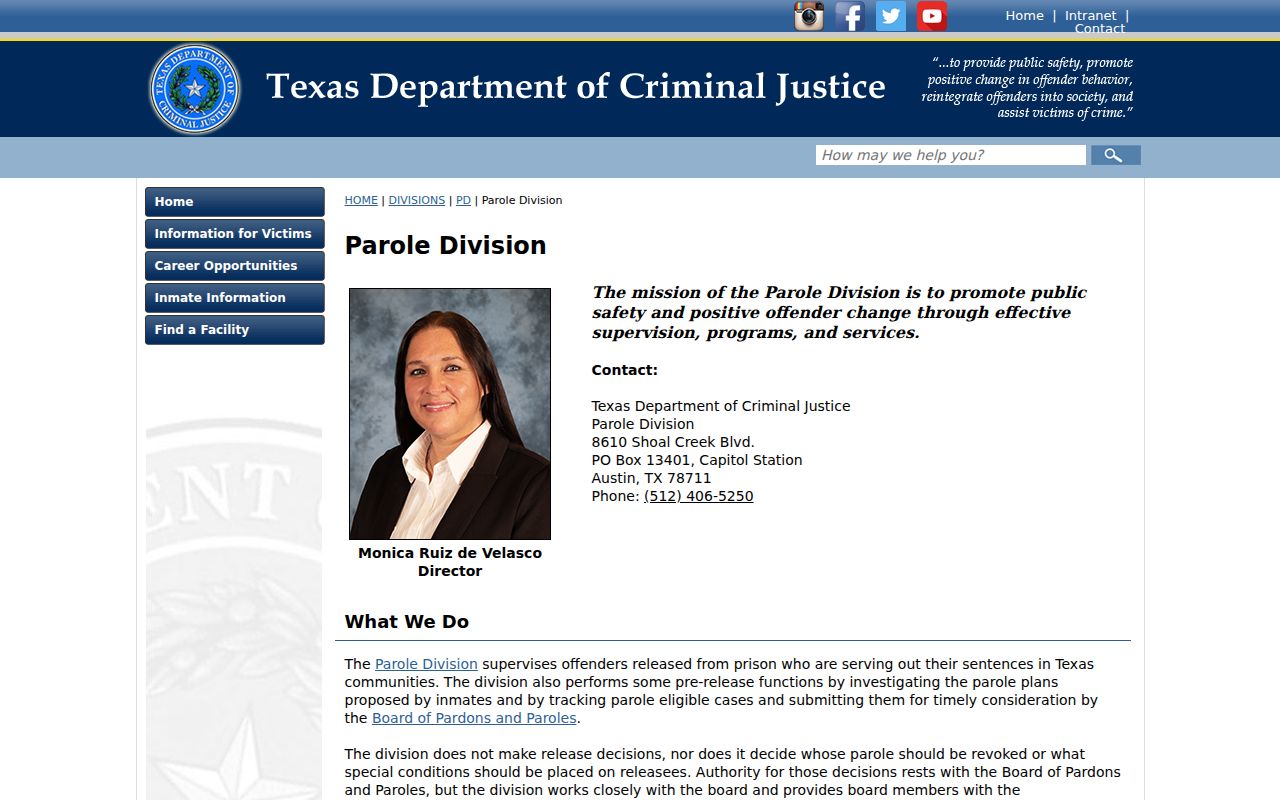
Supervision conditions, treatment, addresses, and personal contacts are not broadly public merely because the judgment is public.
City-by-City Criminal Records in Mills County
Mills County has only two incorporated places. Goldthwaite is the county seat and has identifiable city-government and municipal-court functions, though no stable official police report portal or comprehensive city criminal lookup was verified. Mullin has no separately verified police department, court portal, jail, arrest log, or current town records site. Its practical criminal-record routes therefore begin with county offices in Goldthwaite.
Goldthwaite Record Check
2020 population 1,738 · City reports, county booking, and court-level routing
Mullin Record Check
2020 population 130 · Sheriff, clerk, Justice Court, and statewide fallbacks
Population dates matter. These are 2020 Census figures, not 2026 estimates. A mailing address also does not prove which agency handled an event, especially around rural town limits.